


Project “Extensive Prevention of Malnutrition among Children in 20 Quechua-Communities of the Region Tayacaja, Huancavelica” Project Period 2010-2012
Posted by By admin at 23 May, at 02 : 31 AM Print



-
Malnutrition is a disease, large parts of the world are suffering from, but which is found mainly in developing countries and which cause a mortality rate of over 50% amongst children, below 5 years of age, suffering from this disease. High populations of undernourished and from anemia suffering people inhibit the economic development of a country extremely. Malnutrition in childhood prevents archiving a normal level of productivity as a adult, caused trough the reduction of the mental developmente of a undernourished child. Furthermore it increases the susceptibility for heart attacks in adulthood, diabetes and other chronic diseases, and most likely also obesity.
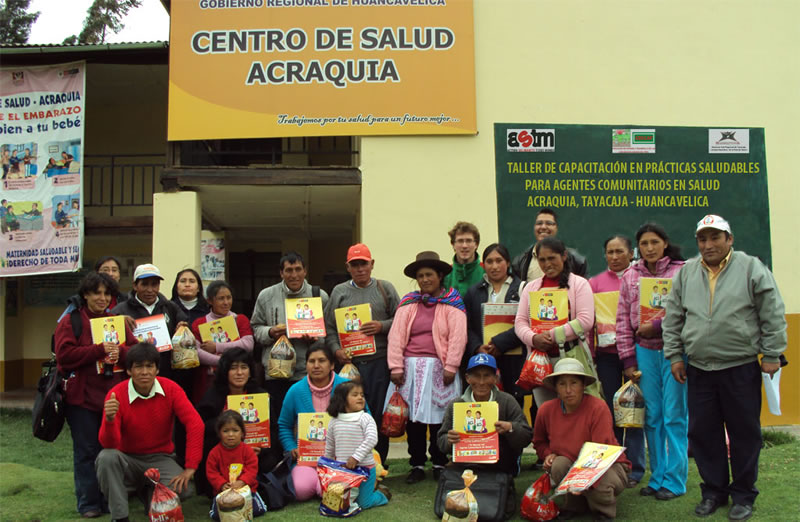
Therefore we want to reduce in this project the malnutrition among children under 5 years and improve the health of their families, especially families with pregnant women and women with young children who live in indigenous Quechua-Communities in the province of Tayacaja. Our guidelines are:
- Percentage of reduction of malnutrition among children under 5 years: 5% in 3 years
- Reduction of cough, diarrhea and flu among children under 5 years: 5% in 3 years
- Increase the percentage of mothers medically supervised before giving birth: 5% in 5 years
The problem of malnutrition is of course a very complex one and has to be treated at various levels. Nevertheless we have set ourselves to work sustainably in various fields to reduce piece by piece the malnutrition amongst children and thus avoid anemia and related diseases. For this reason we worked out the following work aims to clearly define the problem, as furthermore approach and confront the problem in several steps. All the following results are fulfilled after a three-year collaboration with each family:
Result 1:
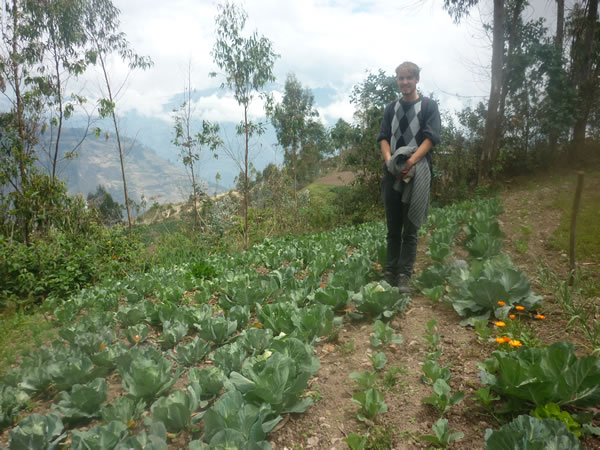
Families improve their food production: development and implementation of regional crops, organic farming, rearing of small livestock
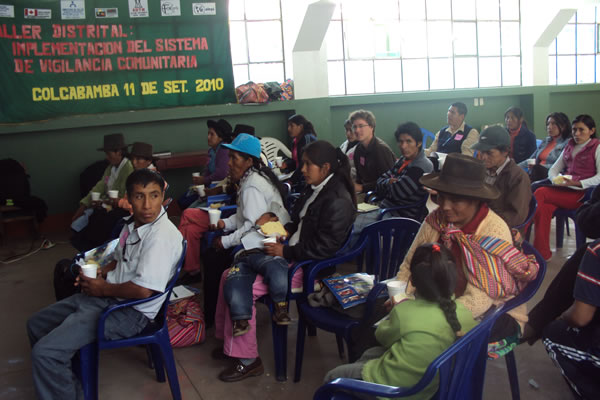
Implementation: training courses and workshops on organic farming and livestock farming, composting, organic / natural fertilizers, Natural / Organic pests control; laying out vegetable gardens and pasture grasses, changing and combining various seed crops; assistance and home visits etc.
Result 2
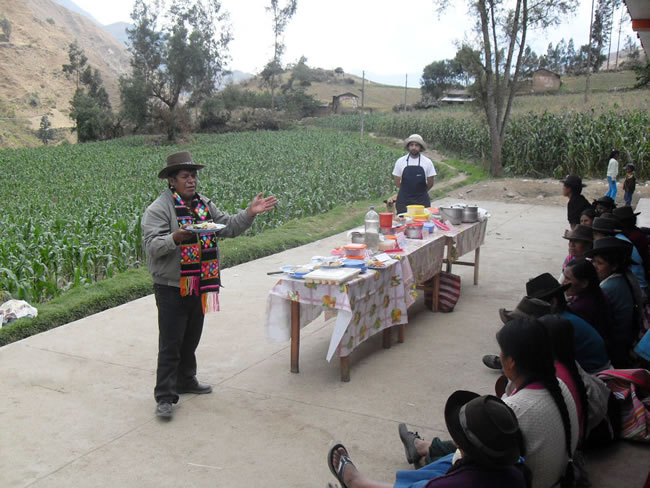
Families improve their eating habits and pay attention to healthy nutrition, which should preferably come from private production
Implementation: training courses and workshops on nutrition, health, food, and practical examples: How to cook healthy balanced meals, nutritious meals and examples for the ingestion of relevant materials by the human body
Result 3:
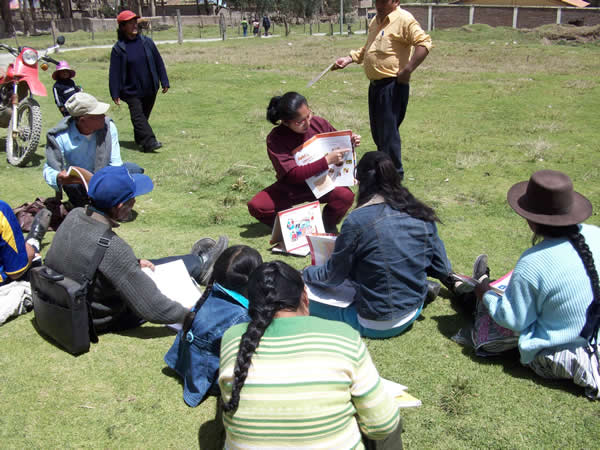
Families live healthy and pay attention to health promotion and disease prevention practices to prevent the diseases; (diseases are one of the factors which are responsible for malnutrition)
Implementation: training courses and workshops on dealing with diseases and possible prevention, recognition of danger signs and strengthening of health facilities, manufacturing, distribution and explanation of information and visual aids, etc.
Result 4:
Families living in a healthy living environment
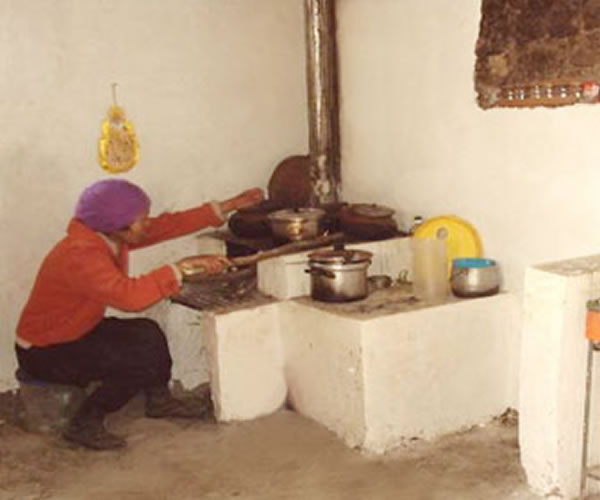
Implementation: training at local and regional level, How do a healthy living environment looks like; construction of improved burners (burners with flue), shelves, ecological refrigerators, sinks, animal housing, showers, latrines, etc.
Result 5:
Families living with sufficient, safe water
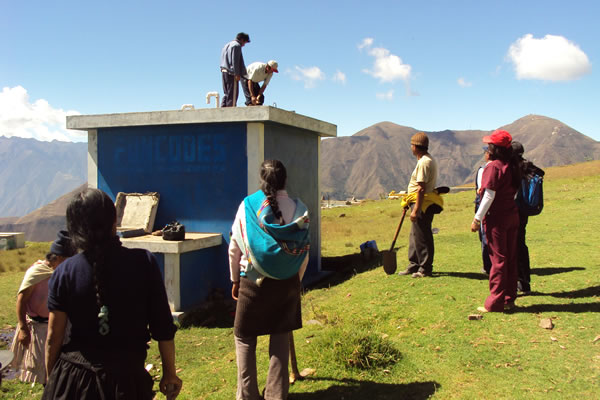
Implementation: training courses and workshops for local technicians to build and maintain water and sewer systems, cooperation and exchange with the public water utilities, maintenance, repair and maintenance of water supply realized by our staff itself
Result 6:
Families know and demand their rights to health, nutrition and personality
Implementation: training courses and workshops on gender equality, rights related to health, indigenous interculturality and nutrition
Result 7:
Municipalities will cooperate for the welfare of expectant mothers and young children
Implementation: training courses and workshops to form a network of mutual trust and mutual assistance to promote accompanying visits to working groups that deal with health problems in the village, training for early detection of signs of disease
Result 8:
Creation of a team for our project, evaluation and dissemination of the project, commissioning
Implementation: Determine and formulate principles, perform evaluations with partner organizations to implement and regularly do trainings on various issues, home visits, give lectures/presentations on our subject, write quarterly reports
The team
- Pamela Taipe Sánchez (Responsable del Proyecto)
- Francisco Zuasnabar De la Cruz (Promotor de Salud del Distrito de Acraquia)
- Celestino De la Cruz Taipe (Promotor de Salud del Distrito de Colcabamba)
- Teófilo Chancha Villalva (Promotor de Salud del Distrito de Daniel Hernandez)
- Victor J. Infante López (Promotor en Derecho)
Related Posts
-
Projekt: „Ernährungssicherheit und Verbesserung der Lebensumstände in den Anden Perus“Project: "Improvement of the alimentory situation and living conditions in the Andes of Peru"Proyecto – Seguridad Alimentaria y Mejoramiento de las Condiciones de la Vivienda en los Andes, PerúProjet: Sécurité de Nutrition et Amélioration des Contexte de Vie dans les Andes du Pérou”
~ Project Improvement of the alimentory situation, Projects
 23 May, at 02 : 21 AM
-
Rechtsschutz Politische TeilhabeLegal Protection/ Political ParticipationProyecto Presupuesto ParticipativoProjet Budget Participatif
~ Participatory Budgeting Project, Projects
 22 May, at 02 : 42 AM